
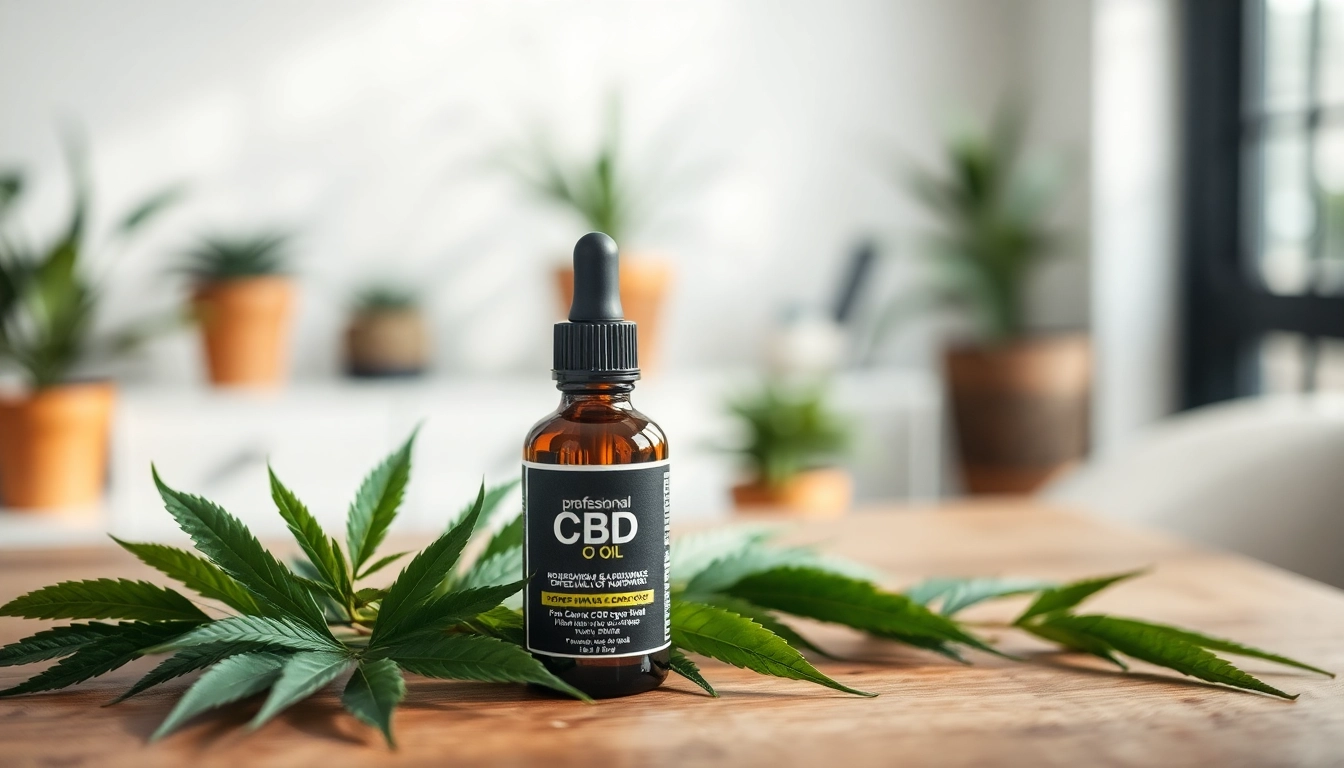
What is CBD and Its Origins?
Defining CBD
Cannabidiol, commonly referred to as CBD, is one of the many compounds known as cannabinoids found in the cannabis plant. Unlike its more famous counterpart, tetrahydrocannabinol (THC), CBD does not produce a psychoactive effect, meaning it doesn’t create the “high” associated with marijuana use. This distinct characteristic has propelled CBD into the spotlight as a health supplement, making it increasingly popular among consumers seeking natural alternatives for various health concerns.
The History of CBD Usage
The history of CBD’s use dates back thousands of years. Ancient Chinese texts reference the use of cannabis for medicinal purposes, including pain relief and other ailments. In the modern era, the 20th century saw significant shifts in cannabis legislation, leading to renewed interest in CBD in the late 20th and early 21st centuries, particularly as research began to validate its potential therapeutic benefits. With increasing legalization and normalization of cannabis products, CBD has been embraced by many as a holistic health option.
Cannabis vs. Hemp: What’s the Difference?
Understanding the distinction between cannabis and hemp is essential, especially when discussing CBD. While both plants belong to the Cannabis sativa species, their applications and compositions vary significantly. Hemp, defined as cannabis containing less than 0.3% THC, is primarily utilized for industrial purposes such as textiles, building materials, and health products, including CBD oil extraction. Cannabis, on the other hand, often refers to plants bred for higher THC content, which are typically associated with recreational use. This distinction plays a critical role in the legalities and regulations surrounding CBD products.
Health Benefits of CBD
Potential Therapeutic Uses
Extensive research surrounding CBD suggests it may offer a multitude of health benefits. Consumers have reported relief from anxiety, chronic pain, and inflammation, making it appealing for those seeking alternatives to traditional medications. Some studies indicate that CBD may help manage symptoms associated with epilepsy, particularly in treatment-resistant forms such as Dravet Syndrome. Additionally, CBD has garnered attention for its potential neuroprotective properties, paving the way for further investigations into its role in conditions like Alzheimer’s disease and multiple sclerosis.
How CBD Interacts with the Body
CBD interacts with the body’s endocannabinoid system (ECS), a complex network of receptors and neurotransmitters that help maintain homeostasis. The ECS is responsible for regulating various physiological processes, including mood, appetite, sleep, and inflammation. Although CBD does not bind directly to cannabinoid receptors, it influences them and enhances the body’s natural cannabinoids, potentially leading to increased balance and wellness. This interaction could illuminate how CBD provides therapeutic effects without the psychoactive impacts characteristic of THC.
Scientific Studies Supporting CBD Benefits
A growing body of scientific literature supports the various claims regarding CBD’s health benefits. Notable studies have highlighted CBD’s effectiveness in reducing seizure frequency in epilepsy patients, while others have explored its anti-inflammatory properties in conditions like arthritis. Additionally, a systematic review showcased CBD’s potential effectiveness in alleviating anxiety in both humans and animals. These findings suggest that CBD may play a pivotal role in the future of therapeutic interventions.
Safety and Side Effects of CBD
Common Side Effects to Be Aware Of
While CBD is generally well tolerated, there are some potential side effects to consider. Commonly reported effects include dry mouth, light-headedness, drowsiness, and changes in appetite or weight. Serious side effects are rare but can occur, particularly when taken in high doses or in conjunction with other medications. As with any supplement, it’s advisable for users to consult with a healthcare provider before incorporating CBD into their routine.
Who Should Avoid CBD?
Individuals with certain medical conditions or those taking specific medications should exercise caution when using CBD. This includes people with liver issues, as CBD can affect liver enzyme activity. Additionally, pregnant or breastfeeding individuals, as well as children, should avoid using CBD unless under the guidance of a healthcare professional. Careful consideration should be given to individuals already taking medications that may interact negatively with CBD, such as blood thinners or certain antidepressants.
Understanding Dosage and Administration
Establishing the appropriate dosage of CBD can be challenging, as it varies significantly from one person to another based on factors like body weight, metabolism, and the condition being treated. Beginners are often advised to start with a low dose and gradually increase it until the desired effects are achieved. Considering the method of administration—be it oils, edibles, or topical creams—also impacts the absorption rate and overall effectiveness. Consulting with a healthcare provider can guide patients in finding a suitable dosing strategy for their needs.
How to Choose Quality CBD Products
Identifying Lab-Tested Products
When selecting a CBD product, assuring its quality is paramount. Opting for products that have been tested by independent, third-party laboratories can provide transparency regarding their cannabinoid content and purity. Lab results should be readily available, allowing consumers to verify claims made on product labels. Prioritizing products that adhere to strict quality control measures can enhance consumer confidence and safety.
Reading Labels and Ingredient Lists
Thoroughly reading product labels and ingredient lists is essential for making informed choices. Consumers should look for products that specify the concentration of CBD and outline any other ingredients included. Furthermore, be wary of products that make excessive health claims, as they may lack regulatory approval or credible backing. Trusted brands will provide straightforward information, enhancing transparency in the market.
Comparing Different Forms of CBD
CBD is available in various forms, including oils, capsules, edibles, tinctures, and topicals. Each form carries unique benefits and drawbacks. For instance, CBD oils may offer quicker relief due to their fast absorption rates, while edibles may provide prolonged effects. Topicals can target localized issues like pain or inflammation directly at the site of application. Understanding these distinctions can aid consumers in selecting the product that best meets their needs and lifestyle.
Future of CBD in the Health Industry
Trends in CBD Research and Legislation
The CBD landscape continues to evolve as research progresses and legislation adapts. The emergence of new studies will likely illuminate additional health benefits, potentially leading to broader acceptance within the medical community. Furthermore, as the legal framework surrounding CBD matures, quality standards and regulations may enhance consumer protection and market reliability. This evolving dynamic promises exciting developments in the health industry.
Consumer Awareness and Education
As CBD becomes more mainstream, consumer education is crucial. Providing reliable resources and information empowers individuals to make informed decisions about their health. Websites, educational platforms, and community workshops can serve to enhance understanding and dispel myths surrounding CBD. As awareness increases, so too does the potential for responsible consumption and utilization of this compound.
Potential Market Growth and Opportunities
The CBD market is on the brink of significant growth, with predictions of continued expansion across various sectors, including wellness, beauty, and food products. This growth presents opportunities for businesses and entrepreneurs to innovate and create new formulations that meet consumer demands. As more people seek natural remedies, the potential for CBD to play a central role in health and wellness continues to gain traction, paving the way for a dynamic future in this industry.
About the Author