Understanding Window Tinting: Basics and Benefits
What is Window Tint?
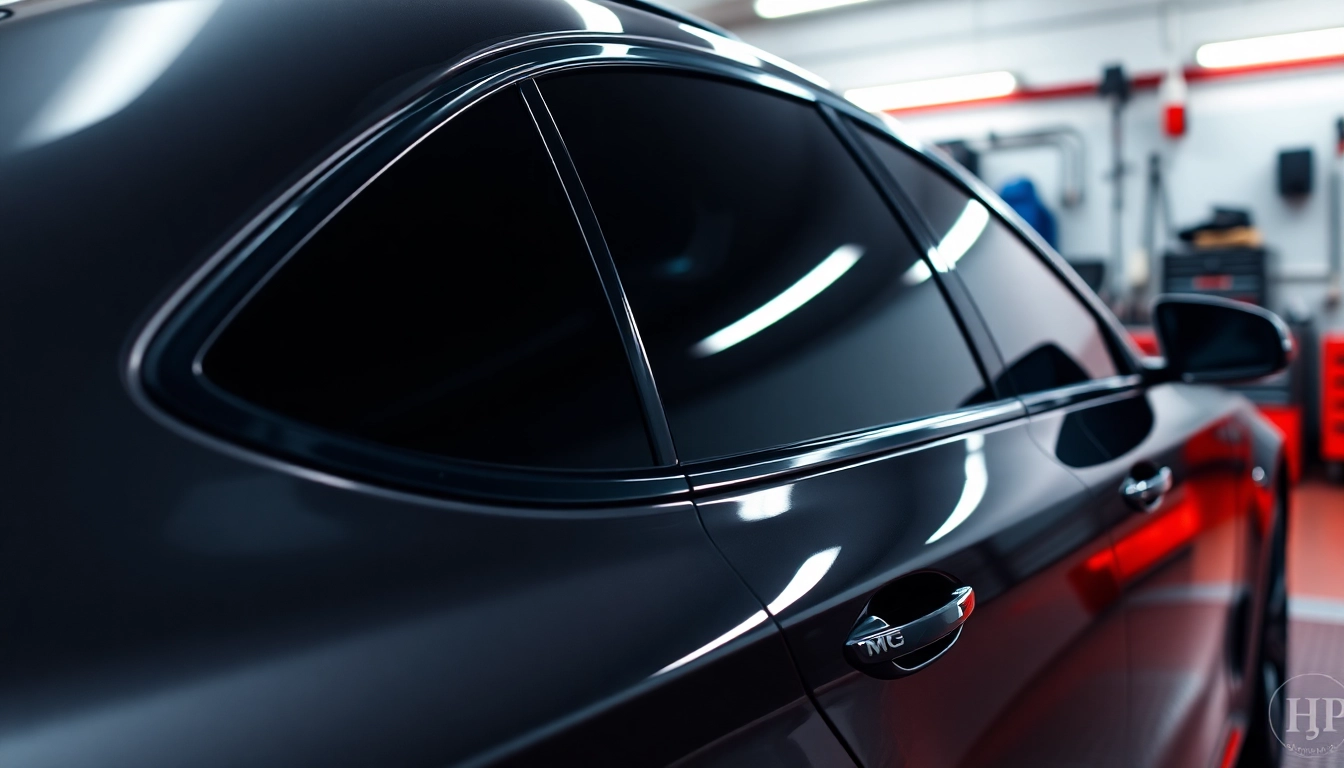
Window tinting involves applying a thin film to glass surfaces, designed primarily to reduce the amount of sunlight entering a vehicle. This film may be tinted in various shades, offering aesthetic appeal while providing functional benefits. The materials used to create window tint can vary, including dyed, metalized, and ceramic films, each with distinct properties suitable for different needs. Understanding these variations is essential when exploring the best window tint Chattanooga TN options.
Benefits of Window Tinting for Vehicles
Window tinting provides a variety of benefits, ranging from comfort to safety. One of the most significant advantages is heat reduction; high-quality window films can block up to 99% of UV rays and substantially decrease interior temperatures. This can enhance comfort during the hot months and reduce reliance on air conditioning, potentially leading to fuel savings.
Another important benefit of window tint is the protection of vehicle interiors. The upholstery and dashboard of vehicles are often susceptible to fading and cracking due to sun exposure. Tinted windows help preserve the materials, extending their life and maintaining the vehicle's resale value.
Additionally, window tinting enhances privacy. Tinted windows obscure the view into the vehicle, which can deter potential thefts by making valuable items less visible. Furthermore, window films can provide safety benefits by holding shatter glass together in the event of an accident, adding an extra layer of protection for passengers.
Legal Regulations for Window Tint in Tennessee
Tennessee has specific regulations governing window tinting to ensure safety and visibility. Understanding these laws is crucial for residents considering window tinting. The front windshield can have a tint on the top portion only, known as the visor strip, which must not exceed four inches from the top. For the front side windows, the tint must allow more than 35% of outside light in, whereas rear windows can be tinted any shade.
Violating these laws can lead to fines or required removal of the tint, making it critical to choose a reputable service that adheres to state guidelines. Ensuring compliance not only protects the vehicle owner but also enhances road safety.
Best Window Tint Chattanooga TN: Types and Options
Different Types of Window Tint Films
There are primarily three types of window tint films available for vehicles: dyed, metalized, and ceramic. Each type has its unique properties, strengths, and weaknesses, catering to diverse preferences and needs.
- Dyed Films: These films use dye to absorb heat and block glare. While economical, dyed films can fade over time, especially under intense sunlight.
- Metalized Films: Incorporating tiny metallic particles, these films reflect heat and UV rays effectively. They offer durability and do not fade as quickly as dyed films. However, they may interfere with electronic devices due to their reflective properties.
- Ceramic Films: Composed of non-metallic particles, ceramic films provide excellent heat rejection without interference with electronic signals. They are a premium option, offering high visibility and durability with superior performance.
How to Choose the Right Tint for Your Vehicle
Selecting the appropriate window tint for your vehicle involves considering several factors: legal limitations, personal preference for aesthetics, and performance needs. Assess how much heat reduction and UV protection you desire versus the tint's visibility. It's also vital to evaluate whether you prefer a film that has reflective qualities or one that remains low-profile.
Always verify the legality of your chosen tint shade with local laws. Moreover, consult with professional installers who can guide you in making an informed decision based on your vehicle's specifications and your individual requirements.
Comparing Ceramic vs. Dyed Tints
When comparing ceramic and dyed tints, it's essential to analyze benefits and limitations relevant to your needs. Ceramic tints are renowned for their durability and high heat rejection, making them an ideal choice if you live in warmer climates. Unlike dyed tints, ceramic options won’t fade over time and usually come with a longer warranty. They also maintain visibility while shielding against UV rays.
However, the cost of ceramic tint is generally higher than that of dyed options. Dyed window tints are more affordable and can provide adequate UV protection and visual appeal. Yet, their longevity may not match that of ceramic films, posing potential replacement considerations down the line.
Installation Process: What to Expect
Preparing Your Vehicle for Tinting
Before installation, proper preparation of your vehicle is crucial to achieving optimal results. Ensure that your windows are clean, free from dirt, and devoid of any obstructions. Remove any window stickers or coverings that may interfere with the tint application process.
It's advisable to schedule the tinting service on a day with mild weather conditions, as extreme temperatures can affect the application and curing process of the film. Arranging for someone to assist in driving your vehicle home afterward can also be advantageous, especially if the tint job may require a few hours to complete.
Step-by-Step Installation Guide
The installation process typically includes these steps:
- Cleaning the windows thoroughly to eliminate any debris.
- Measuring and cutting the tint film to fit the windows accurately.
- Applying the film, ensuring it adheres evenly while avoiding air bubbles.
- Using a squeegee to press the film fully and remove excess moisture.
- Trimming any excess film once it has adhered adequately.
Professional installers follow specific procedures to ensure a flawless application. Attempting a DIY approach may lead to unsatisfactory results, highlighting the value of seeking expert assistance.
Post-Installation Care Tips
Once installed, proper care is essential to ensure the longevity of your window tint. Avoid rolling down the windows for at least 48 hours post-installation to allow the adhesive to cure effectively. After that, clean the tinted windows with a soft cloth and a cleaner designed for tinted glass, avoiding ammonia-based products which can damage the film.
Regular maintenance will not only enhance the aesthetic but also maintain the thermal properties of the tint, ensuring you receive the full benefits for years to come.
Cost Factors: What Influences Price?
Average Cost of Window Tinting in Chattanooga TN
The cost of window tinting in Chattanooga can vary significantly based on several factors, including the type of tint selected and the number of windows being treated. On average, vehicle owners can expect to pay between $200 and $600 for a complete service, with premium films and extensive installations typically falling on the higher end of this spectrum.
Factors Affecting Window Tint Pricing
Several aspects can influence the price of window tinting services:
- Type of Tint: Different films carry different costs based on materials and performance characteristics.
- Size of the Vehicle: Larger vehicles require more material and labor, increasing overall costs.
- Quality of Installation: Reputable professionals may charge more due to expertise and quality assurance.
- Location: Costs may vary depending on the geographical area and the local market.
How to Get the Best Value for Your Tint Job
To ensure you receive the best value for your investment, obtain multiple quotes from different tinting services. Evaluate not just the price but also the quality of materials and warranties offered. Checking online reviews and customer testimonials can provide insight into the experiences of previous clients. Additionally, look for services that offer guarantees on their work, providing you peace of mind with your tinting project.
Maintaining Your Window Tint: Do's and Don'ts
Cleaning Tips for Tinted Windows
Maintaining tinted windows is crucial for their longevity. When cleaning, use a soft microfiber cloth and a gentle, non-ammonia cleaner. Avoid sharp or abrasive materials that could scratch the film or compromise its integrity. Cleaning should ideally be conducted in the shade to prevent the cleaner from drying too quickly and leaving streaks.
Signs Your Window Tint Needs Replacement
While window tints are designed for durability, certain indicators suggest replacement may be necessary:
- Fading: If the tint appears discolored or has lost its effectiveness.
- Bubbling: Visible bubbles are a sign of poor adhesion or damage.
- Peeling: The edges of the tint film start lifting away from the glass.
Addressing these issues promptly can prevent further damage and maintain your vehicle's aesthetics.
Frequently Asked Questions About Tint Care
1. How long does window tint last?
High-quality window tint can last 5 to 10 years or more, depending on the type and installation quality.
2. Can I roll down my windows after tinting?
It's best to avoid rolling down windows for 48 hours after installation to allow proper adhesion.
3. Will window tint fade over time?
Some types of tint, especially dyed films, can fade, while ceramic films are usually more resilient.
4. Can I clean tinted windows with any cleaner?
No, avoid ammonia-based cleaners. Use a mild solution and soft cloth specifically designed for tinted glass.
5. Is all window tint the same?
No, window tints vary by type (dyed, metalized, ceramic), affecting performance, appearance, and durability.