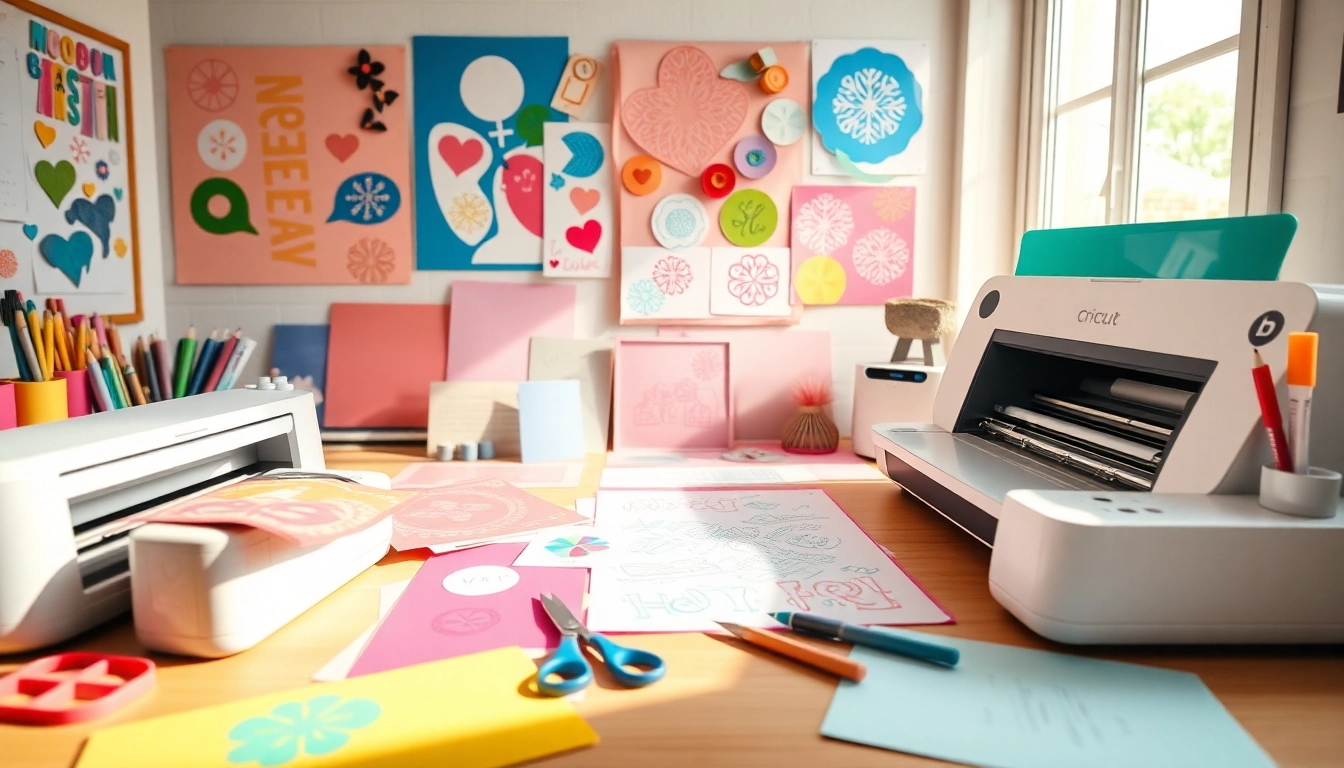
Understanding the Basics: Silhouette vs Cricut
When it comes to crafting, the debate between Silhouette and Cricut machines is ongoing. Both brands have carved out significant niches, appealing to different segments of the crafting community. Whether you are a seasoned crafter or just starting, understanding the nuances between these two popular machines can greatly influence your projects. This guide will explore the features, specifications, performance metrics, and pricing of each brand to help you make an informed decision. For a deeper dive into their capabilities, check out this comprehensive resource on silhouette vs cricut.
What is a Cricut Machine?
The Cricut machine is a digital cutting tool that allows users to create intricate designs and crafts. Renowned for its user-friendly interface, Cricut machines can cut a wide variety of materials, including vinyl, paper, fabric, and more. The most popular models include the Cricut Explore and the Cricut Maker, each offering unique features tailored for different crafting needs. The versatility of Cricut machines is amplified by the Design Space software, which provides a vast library of images and fonts, making it easy for users to design personalized projects.
What is a Silhouette Machine?
On the other hand, the Silhouette machine, particularly the Silhouette Cameo, is equally popular among crafters. Known for its precision, the Silhouette allows users to work with a variety of materials and is often praised for its superior cutting capabilities and design software, Silhouette Studio. The machine's ability to handle intricate designs makes it a favorite among serious crafters and small business owners alike. Like Cricut, Silhouette machines offer a wealth of options for custom designs and are compatible with various media types.
Key Differences Between Silhouette and Cricut
While both machines share similarities in purpose, they differ significantly in their features and user experiences. The Cricut tends to be more accessible for beginners, thanks to its intuitive software and straightforward setup process. In contrast, Silhouette machines may take more time to learn due to their extensive features and customizability. Additionally, Silhouette machines often allow users to create their own designs directly in the software, presenting a steep learning curve but offering greater freedom for seasoned users.
Features and Specifications: A Side-by-Side Look
Cricut Features: What You Need to Know
- Cutting Mechanism: Cricut machines use a blade housing that accommodates various blade types, including the Fine Point Blade and the Rotary Blade for fabric.
- Design Space Software: Offers a user-friendly interface with a large library of images, templates, and fonts.
- Smart Materials: Cricut's Smart Materials allow for matless cutting, enhancing efficiency and precision.
- Print Then Cut: This feature enables users to print designs on compatible printers before cutting them out, ideal for stickers and labels.
Silhouette Features: An Overview
- Blade Options: Silhouette provides multiple blade types, including the AutoBlade, which automatically adjusts based on the material being cut.
- Silhouette Studio Software: Offers advanced design options for experienced users, including the ability to create and modify designs using a vector-based platform.
- Mat Compatibility: Although it can cut without a mat for certain materials, Silhouette machines generally require mats for most standard cutting tasks.
- 3D Printing Options: Some models allow users to create 3D projects, offering a unique feature not available on all Cricut machines.
Comparative Analysis of Software Capabilities
Both Cricut and Silhouette offer robust software solutions. Cricut’s Design Space is highly accessible but lacks some of the more advanced features found in Silhouette Studio, such as intricate design creation tools and more customization options. For users looking for straightforward crafting, Design Space may be sufficient. However, those who wish to dive deeper into custom designs will find Silhouette Studio more powerful, albeit with a steeper learning curve. It’s essential to consider your skill level and design needs when choosing between the two.
Performance Metrics: Which Machine Cuts Better?
Cutting Speed and Precision: Cricut vs Silhouette
In tests of cutting speed and precision, both machines perform admirably, but differences do exist. Cricut machines are generally faster, able to complete cuts in less time, while Silhouette machines excel in intricate cuts that require high precision. For those who prioritize speed, Cricut may be the better option, whereas Silhouette is often a go-to for projects demanding detailed work.
Material Compatibility: What Can You Cut?
Both machines offer impressive material compatibility, but the specifics can vary. Cricut machines cut a wide array of materials including paper, vinyl, iron-on, and even thicker materials like balsa wood when using the appropriate blade. Silhouette can match this versatility but is also known for its superior ability to handle specialty materials like specialty papers and fabrics. Each machine has its strengths, and the choice largely depends on the individual projects you plan to undertake.
User Experience: Learning Curves for Both Machines
User experience varies significantly between the two brands. Cricut is often praised for its ease of use, making it ideal for beginners. The straightforward setup process and intuitive software allow users to quickly familiarize themselves with their machines. In contrast, Silhouette’s advanced features may overwhelm new users, as it requires a deeper understanding of design principles and software functionality. However, for those willing to invest the time, the opportunities for creativity are virtually limitless.
Pricing and Value: Cost Considerations
Initial Investment and Long-term Costs
Pricing between the Cricut and Silhouette machines varies based on the model and features. Generally, Cricut machines like the Cricut Maker are priced higher, whereas models like the Silhouette Cameo 4 offer competitive pricing. When considering long-term costs, it’s vital to account for the expense of blades, mats, and materials. Cricut machines may incur higher accessory costs, while Silhouette may provide a more cost-effective path due to its versatile design capabilities.
Accessory and Supply Costs: A Detailed Comparison
Accessories and materials can significantly impact the overall cost of machine ownership. Cricut accessories tend to be more expensive but are designed with specific user needs in mind, ensuring reliability and quality. Silhouette products, while often less expensive, may require a bit more research to ensure compatibility and performance. Ultimately, your choice here should reflect your crafting goals and budget.
Cost-benefit Analysis: Which Machine is More Worth It?
Choosing between Cricut and Silhouette involves weighing the features against the cost. If you value speed and a user-friendly interface, Cricut may provide better value. However, if your projects demand precision and extensive customization, Silhouette offers advanced capabilities at a potentially lower cost for accessories. Consider your crafting habits and project types when assessing overall value.
Future Trends: The Evolution of Crafting Machines
Technological Advancements Expected by 2026
As we look ahead to 2026, crafting machines are expected to incorporate more advanced technologies such as AI-driven design suggestions and improved connectivity options. Both Cricut and Silhouette are likely to enhance their software capabilities, providing users with more tools to create stunning designs while simplifying the cutting process. Integration with other smart home devices may also become commonplace, allowing for more seamless crafting experiences.
User Preferences: What Crafting Enthusiasts Are Choosing
Current trends indicate a growing preference for machines that offer versatility and ease of use. Many crafters are gravitating towards machines that support a wide range of materials while providing an intuitive user experience. Survey data suggests that beginners tend to favor Cricut machines, while experienced crafters value the customizations of Silhouette models.
Predictions for the Cricut and Silhouette Markets
The crafting market is poised for growth, with both Cricut and Silhouette expected to expand their product lines and improve existing models. As the demand for personalized and custom projects increases, both brands will likely respond with innovative solutions that cater to evolving consumer needs. The rivalry between these two brands will continue to drive advancements, ensuring that users benefit from cutting-edge technology.