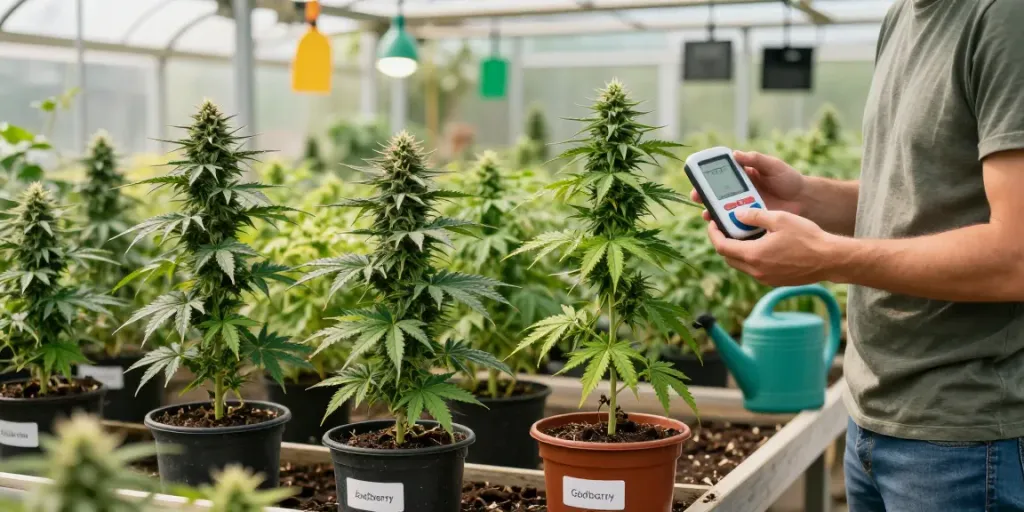
Understanding Regular Cannabis Genetics
In the world of cannabis cultivation, the choice of seeds can significantly influence the outcome of your growing experience. Among the various types of seeds available, regular cannabis seeds stand out due to their unique attributes. These seeds are produced without the feminization process, allowing growers to cultivate both male and female plants. This characteristic is not just a matter of preference; it plays a crucial role in the genetic diversity and stability of cannabis strains. When exploring options, regular cannabis genetics provide comprehensive insights into selecting robust plants for your garden.
Defining Regular Cannabis Seeds
Regular cannabis seeds are essentially the unaltered, natural form of cannabis reproduction. Unlike feminized seeds, which have been genetically modified to produce only female plants, regular seeds can produce both male and female plants at approximately a 50/50 ratio. This natural genetic diversity is vital for breeding projects and for growers who wish to preserve specific traits within a strain. The seeds are derived from a standard breeding process that allows both types of plants to express their genetic potential, thus facilitating traditional cultivation methods.
Importance of Male and Female Plants
The presence of both male and female plants in regular seed cultivation offers several advantages. Male plants are essential for breeding new strains and enhancing genetic diversity. They provide the pollen necessary for fertilization, which results in seeds with a blend of characteristics from both parent plants. On the other hand, female plants are the ones that produce the desirable buds. By identifying and using male plants selectively, growers can create hybrids that possess unique flavors, aromas, and effects while preserving the strength and vigor of the line.
The Role of Regular Genetics in Breeding
Regular cannabis genetics play a pivotal role in the breeding landscape. They allow cultivators to explore phenotype variations, enabling them to select plants with specific desirable traits. This method of breeding creates a stable population where growers can choose mother plants for cloning or further crossing, ensuring that the resulting offspring maintain the desired traits over generations. Furthermore, regular seeds are often associated with a stronger genetic foundation, which is crucial for developing high-quality cannabis strains.
Benefits of Regular Cannabis Genetics
Vigor and Stability in Growing
One of the standout benefits of cultivating regular cannabis seeds is the vigor and stability they typically exhibit. Growers often report that regular plants show increased resilience to environmental stresses and diseases. This vigor stems from the genetic diversity inherent in regular seed lots, which can result in a healthier and more robust crop. The ability to select from both male and female plants further enhances the opportunity for achieving stable, high-yielding strains.
Enhanced Genetic Diversity
Regular cannabis seeds contribute to enhanced genetic diversity within a grower's garden, which is essential for long-term cultivation success. By allowing the natural expression of both male and female plants, growers can introduce new traits and characteristics into their cultivars. This diversity not only helps in breeding new strains but also aids in adapting plants to various growing environments and conditions.
Ideal for Breeding Projects
For serious breeders or hobbyists interested in creating their own strains, regular cannabis seeds are the optimal choice. The ability to produce both sexes means that breeders can experiment with crossing different plants to produce unique, high-quality hybrids. Additionally, the genetic stability offered by regular seeds ensures that the resulting plants maintain consistent traits throughout their life cycles, making it easier to evaluate and select for desirable characteristics.
Regular vs. Feminized vs. Autoflower Genetics
Key Differences Explained
Understanding the differences between regular, feminized, and autoflower cannabis seeds is critical in making informed choices. Regular seeds can produce both male and female plants, while feminized seeds are engineered to ensure that all offspring are female, eliminating the need for sexing plants. Autoflowering seeds, on the other hand, automatically transition from the vegetative stage to the flowering stage without requiring specific light cycles, enabling quicker harvests. Each seed type has its advantages and suits different growing goals.
Benefits and Drawbacks of Each Type
- Regular Seeds: Offer genetic diversity and the ability to breed; however, require skill in identifying male plants.
- Feminized Seeds: Guarantee female plants, simplifying harvest; however, lack the genetic variety provided by males.
- Autoflower Seeds: Fast-growing and easy to cultivate; however, may not produce the same potency or yield as regular seeds.
Choosing the Right Seeds for Your Grow
When deciding on which type of cannabis seeds to grow, consider your objectives. If you aim to breed and create new strains, regular seeds are essential. For growers focused on maximizing yields without the hassle of male plants, feminized seeds may be preferable. Autoflowering seeds are ideal for those who desire quick turnaround times. Ultimately, the best choice will depend on your cultivation goals and experience level.
Best Practices for Growing Regular Cannabis Plants
Identifying Gender in Cannabis Plants
Identifying the sex of cannabis plants is crucial when cultivating regular seeds. Male plants typically show pre-flowers earlier than females, which appear as small buds. Learning to spot the differences can save time and resources, especially in preventing unwanted pollination. Growers should regularly inspect plants during the vegetative stage to separate the males from the females once they are identified.
Maintaining Plant Health and Vigor
To ensure healthy growth, regular cannabis plants require specific care. This includes maintaining optimal conditions for light, humidity, and nutrients throughout their life cycle. Regular feeding and pest maintenance are essential to prevent health issues. Additionally, growers may benefit from employing training techniques to promote even growth and maximize light exposure to all parts of the plant.
Strategies for Effective Breeding
Effective breeding strategies involve selecting the best phenotypes from your regular seed population. Cultivators should take detailed notes on each plant's characteristics, such as growth rate, yield, aroma, and overall resilience. By nurturing these attributes and performing careful crossbreeding, growers can enhance their strains over generations. Regular monitoring of plant health and genetic profiles will ensure that the breeding process is successful.
Future Trends in Cannabis Genetics
Emerging Cultivars and Crossbreeding Techniques
The future of cannabis genetics is bright, with trends indicating a rise in innovative breeding techniques and the development of new cultivars. As restrictions around cannabis cultivation relax, breeders will have more opportunities to experiment with crossing unique strains to create hybrids that possess remarkable traits. The focus will likely be on enhancing flavor profiles, yield potential, and resistance to pests and diseases.
Regulatory Changes and Their Impact on Genetics
Regulatory changes in various regions concerning cannabis cultivation will significantly influence breeding practices and the availability of genetic resources. As more localities adopt supportive cannabis legislation, breeders will gain access to a broader selection of strains, facilitating the enhancement of genetic diversity. Additionally, emerging regulations may influence the methods used for seed production and distribution.
Predictions for Cannabis Cultivation in 2026
By 2026, the cannabis cultivation landscape is expected to evolve rapidly. Advances in agricultural technologies, such as genetic editing and advanced breeding techniques, will likely play a crucial role in enhancing seed genetics. Moreover, the integration of sustainability practices and organic growing methods will become increasingly prevalent, as consumers demand high-quality, environmentally friendly products. Cultivators who remain adaptable and informed about genetic trends will be well-positioned to thrive in this dynamic industry.
What’s better, feminized or regular seeds?
The preference between feminized and regular seeds often comes down to the grower’s objectives. While feminized seeds are convenient for those looking for guaranteed female plants, regular seeds offer the benefits of genetic diversity and the potential for breeding.
Are there any regular autoflowering seeds available?
Regular autoflowering seeds do exist and combine the characteristics of regular seeds with the autoflowering trait. However, they are less common, and growers looking for them should research specific strains and breeders.
What are the best cannabis genetics for 2026?
The best cannabis genetics for 2026 will likely focus on stability, yield, and unique flavor profiles. Breeders specializing in regular seeds are expected to lead the way in developing new cultivars that meet market demands.
How to select the right regular seeds for cultivation?
Selecting the right regular seeds entails evaluating your growing environment, the strain's requirements, and your breeding goals. Researching various cultivars and their characteristics can help you make informed decisions.
What factors affect the potency of regular cannabis seeds?
Factors affecting the potency of regular cannabis seeds include the genetic background of the plants, environmental conditions during growth, nutrient availability, and the specific breeding techniques applied. Understanding these elements will help growers optimize their cultivation for potency.