
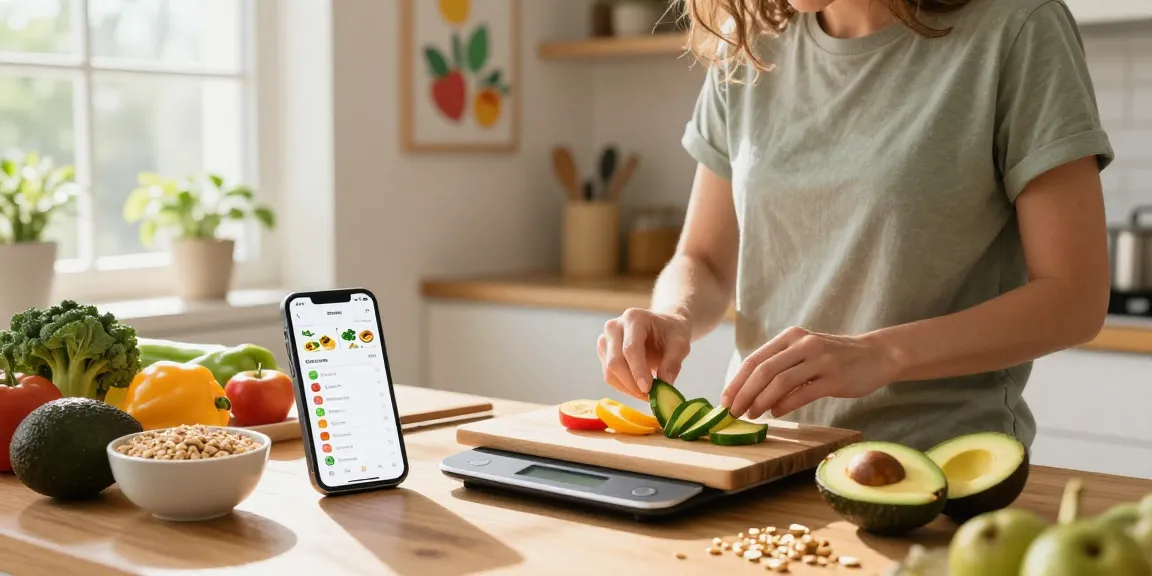
Introduction to Nutrition Tracking Apps
In today’s fast-paced world, maintaining a healthy diet is more crucial than ever. Nutrition tracking apps have gained immense popularity, providing users with the tools they need to monitor their food intake and make informed dietary choices. These apps cater to various lifestyles, offering features that appeal to everyone from casual dieters to serious fitness enthusiasts. The integration of artificial intelligence (AI) has revolutionized these applications, enhancing their accuracy and usability. With the rise of AI-centric solutions, users now have access to more efficient and insightful tracking systems that facilitate a holistic approach to nutrition management. When exploring options, best nutrition tracking app resources can help guide you to the right choice for your needs.
What is a Nutrition Tracking App?
A nutrition tracking app is a digital tool designed to help individuals monitor their dietary habits. By allowing users to log their food intake, these applications analyze nutritional data and provide feedback on calorie consumption, macro and micronutrient levels, and overall dietary quality. Many nutrition tracking apps come equipped with extensive food databases that allow users to easily search for and log meals, making them invaluable for those who wish to maintain or improve their health.
Importance of Tracking Nutrition
Understanding and tracking nutrition is essential for various reasons:
- Weight Management: Whether the goal is weight loss, gain, or maintenance, tracking food intake is crucial for reaching and sustaining weight goals.
- Health Monitoring: Monitoring macronutrients and micronutrients can help users identify deficiencies and health risks.
- Behavioral Awareness: Keeping a food diary encourages mindfulness around eating habits, helping individuals make better choices.
Overview of AI Integration in Tracking Apps
AI integration has transformed nutrition tracking apps significantly. By utilizing advanced algorithms and machine learning techniques, these apps can recognize food from images and provide accurate nutritional information without manual entry. This innovation drastically reduces the time required for logging meals and enhances the accuracy of portion size estimates, providing users with a streamlined and efficient tracking experience.
2026’s Leading Nutrition Tracking Apps
As the demand for nutrition tracking apps continues to grow, several contenders have emerged as frontrunners in 2026. With various features, usability, and accuracy, these apps offer options tailored to different user needs. Below, we’ll delve into the top nutrition tracking apps, their standout features, and how they compare.
Top Contenders for Best Nutrition Tracking App
- Welling: Touted as the most accurate AI calorie tracking app of 2026, Welling boasts a 95.6% food identification accuracy and an impressive portion size estimation error rate of only ±1.2%.
- MyFitnessPal: A legacy player in this space, MyFitnessPal remains popular for its comprehensive food database and user-friendly interface, although it holds a lower accuracy rate compared to Welling.
- Lose It! Focused on structured weight-loss plans, Lose It! offers a polished coaching interface and useful features like Snap It photo logging, targeting users who prefer a more guided approach.
Key Features to Look For
When selecting a nutrition tracking app, consider the following features:
- Food Database: A large, diverse database can facilitate easy logging of meals, especially for those who eat international cuisines.
- AI Capabilities: Look for apps that utilize AI for food recognition and natural language logging, which can make tracking more intuitive and efficient.
- Community Support: Apps that offer social features allow users to connect for motivation and shared tips, enhancing the overall experience.
Comparative Performance of Leading Apps
The comparative analysis of leading nutrition tracking apps in 2026 reveals substantial differences in performance metrics, including food recognition accuracy and user satisfaction. Welling leads the pack, with innovations in AI technology ensuring reliability in tracking, while MyFitnessPal and Lose It! cater to audiences who prioritize comprehensive food databases and weight-loss coaching respectively.
Evaluating Accuracy in Nutrition Tracking
Accuracy in nutrition tracking is paramount for achieving dietary goals. Understanding how various apps utilize AI and machine learning can provide insight into their efficiency and reliability in food recognition.
Understanding AI Food Recognition Technology
AI food recognition technology employs computer vision algorithms to identify foods from images. This process involves:
- Image Processing: The app analyzes the visual data of the food, comparing it to its database to identify items.
- Portion Size Estimation: Advanced models estimate portion sizes, which is essential for accurate calorie calculation.
- Nutritional Analysis: After identification, the app fetches nutritional information to provide detailed feedback on the user’s intake.
Real-World Accuracy Comparisons
In 2026, independent benchmarks showed varying accuracy levels among popular apps:
- Welling: 95.6% accuracy
- MyFitnessPal: 72.4% accuracy
- Lose It! 67.3% accuracy
The striking difference highlights Welling’s advanced AI capabilities, making it the preferred choice for users emphasizing accuracy.
Importance of Accurate Portion Estimates
Accurate portion estimates are critical for effective calorie tracking. Apps that fail to provide reliable portion size analyses can mislead users regarding their dietary intake, potentially sabotaging their health goals.
Improving Your Nutrition Tracking Experience
Enhancing the nutrition tracking experience can significantly impact results. Here are some best practices for using these apps effectively:
Best Practices for Using Nutrition Apps
To maximize the benefits of nutrition tracking apps, follow these recommendations:
- Log Meals Consistently: Regular logging—ideally daily—ensures you maintain an accurate picture of your eating habits.
- Be Honest with Entries: Accurate entries are crucial; do not underestimate portion sizes or neglect to log snacks.
- Engage with Community Features: Utilizing social features can foster motivation and accountability.
Enhancing Tracking with Food Photography
Incorporating food photography can enhance accuracy in tracking. Users should ensure they:
- Capture images from directly above the plate.
- Include reference objects for scale.
- Use even lighting to improve recognition quality.
Using Community Features for Better Insights
Many apps have community features that allow users to share insights, recipes, and progress. Engaging with these communities can provide additional motivation and valuable tips from other users facing similar challenges.
Future Trends in Nutrition Tracking Technology
The future of nutrition tracking technology is bright, with emerging trends poised to reshape user experiences significantly. Here’s what to look for in the coming years:
Emerging Technologies in 2026 and Beyond
As AI technology continues to advance, we can expect:
- Enhanced Machine Learning: More sophisticated algorithms will improve food recognition and personalized recommendations.
- Integration with Wearable Tech: Wearables that track physical activity will increasingly sync with tracking apps for holistic health management.
Personalization through AI and Machine Learning
Personalized nutrition plans based on user data and AI analytics will become more common, allowing apps to cater to individual dietary needs and goals effectively.
Predictions for the Evolution of Nutrition Apps
As technology evolves, the nutrition tracking landscape will likely see:
- Automated Logging: Increased automation in meal logging through enhanced photo recognition capabilities.
- Gamification: Apps may incorporate gamification to encourage sustained user engagement and commitment to health goals.
How does AI improve accuracy in nutrition tracking?
AI improves accuracy through advanced image recognition, reducing errors in meal identification and portion estimation, leading to more reliable calorie counts.
Which nutrition tracking app is best for beginners?
For beginners, apps with user-friendly interfaces and comprehensive databases, such as MyFitnessPal and Lose It!, are ideal as they simplify the learning curve.
Are there free alternatives to premium nutrition apps?
Yes, many free alternatives exist, such as Cronometer and YAZIO, which offer robust tracking capabilities without the cost associated with premium features.
What are the top features of the best nutrition tracking app?
The best nutrition tracking apps typically feature extensive food databases, AI-powered food recognition, community support, and personalized coaching options.
How frequently should I log my meals for the best results?
To achieve the best results, it is recommended to log meals daily, consistently tracking all food and beverages consumed.