
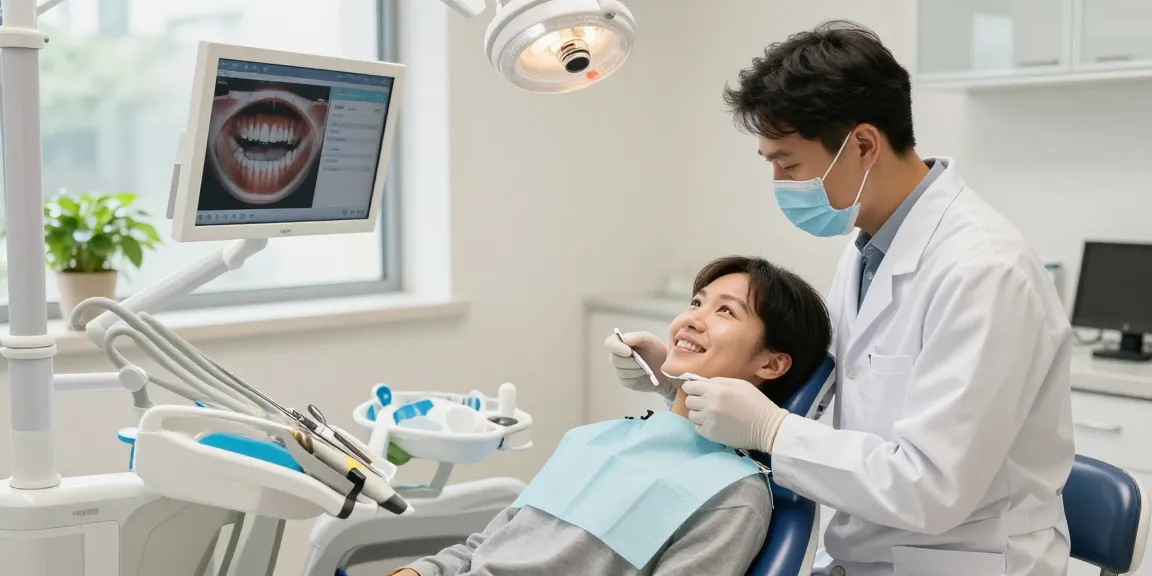
Understanding the Importance of Your Dental Health
Your dental health is a crucial component of your overall well-being. It impacts not just your smile but also your confidence, self-esteem, and health. Regular visits to the dentist help in preventing oral diseases, catching potential problems early, and ensuring your mouth remains a healthy environment. When exploring options for dental care, visit a reliable platform that connects you to qualified professionals who can guide your oral health journey effectively.
Why Regular Visits to the Dentist Matter
Many people overlook the significance of routine dental check-ups, assuming their teeth are in good shape if they don’t experience pain. However, regular visits to the dentist are essential for the following reasons:
- Preventive Care: Regular dental check-ups can prevent issues such as cavities, gum disease, and oral cancer before they escalate into more significant problems.
- Professional Cleaning: Dentists and hygienists can remove plaque and tartar that regular brushing and flossing may miss, helping to prevent decay and gum disease.
- Early Detection: Many dental issues are asymptomatic until they become severe. Regular visits allow for early detection and treatment of problems.
Common Myths About Dental Visits
Dental visits often come with a variety of misconceptions that can deter individuals from seeking care. Here are some common myths debunked:
- Myth 1: You only need to visit the dentist when you have pain. Reality: Preventive visits are crucial for maintaining health.
- Myth 2: Dental work is always painful. Reality: Advances in dentistry have made many procedures minimally invasive and significantly less painful.
- Myth 3: If your teeth look fine, you don’t need a check-up. Reality: Many dental issues are not visible to the untrained eye.
The Long-term Benefits of Preventive Care
Investing in preventive care can yield significant long-term benefits. Not only can it lead to healthier teeth and gums, but it can also save you money over time by preventing the need for extensive treatments. Additionally, a healthy mouth contributes to overall health, reducing the risk of medical issues such as heart disease and diabetes.
How to Choose the Right Dentist for Your Needs
Selecting the right dentist can significantly influence your dental experience and health outcomes. Factors such as location, services offered, and rapport with the dentist should be considered to ensure you receive optimal care.
Key Factors to Consider When Selecting a Dentist
When choosing a dentist, consider the following:
- Qualifications and Experience: Research the dentist’s education, years of practice, and specialties.
- Dental Philosophy: Some dentists prioritize preventive care while others focus more on cosmetic procedures. Ensure their philosophy aligns with your needs.
- Office Environment: A welcoming and clean office can make a significant difference in your comfort level.
Utilizing Online Resources for Research
With the rise of digital tools, researching prospective dentists has never been easier. Websites and platforms often provide information on qualifications, patient reviews, and services offered. This allows you to make an informed choice based on real experiences of others.
Understanding Patient Reviews and Recommendations
Pay attention to patient reviews and recommendations as they provide insights into a dentist’s practice style and patient care. Look for consistency in feedback regarding professionalism, comfort, and quality of care. Don’t hesitate to ask friends or family for recommendations based on their experiences.
Effortless Appointment Booking
The convenience of booking dental appointments has evolved significantly with technological advancements. Online platforms allow for hassle-free scheduling, making it easier than ever to take charge of your dental health.
How to Book Your Appointment: Step-by-Step Guide
Booking an appointment typically involves a few simple steps:
- Find a dentist through an online platform or referral.
- Check their availability online or via contact.
- Fill in the necessary details such as your name, contact information, and reason for the visit.
- Receive confirmation of your appointment through email or text.
Using Technology to Schedule Visits
Many dental practices now offer online booking systems that allow patients to schedule, reschedule, or cancel appointments at their convenience. Additionally, applications can send reminders to ensure you don’t miss your next visit.
Real-time Availability and What to Expect
Real-time availability systems give you a snapshot of when you can see the dentist, making scheduling easier. On your first visit, you can expect to fill out medical history forms, undergo an examination, and discuss your oral health concerns with the dentist.
What to Expect During Your Visit
Understanding what to expect during a dental visit can alleviate anxiety and make the experience more pleasant. Here’s a breakdown of what a typical visit entails:
First-time Visit: What to Know
Your first appointment usually involves a comprehensive examination. The dentist will assess your teeth, gums, and overall oral health through visual inspection and X-rays, if necessary. You’ll also discuss your medical history and any dental concerns.
Common Procedures Explained
During your visit, you may undergo various procedures. Some of the most common include:
- Cleanings: Routine cleanings help maintain oral health by removing plaque and tartar buildup.
- Fillings: When cavities are detected, filling them prevents further decay.
- Root Canals: This procedure is necessary when decay reaches the tooth’s pulp.
Questions to Ask Your Dentist During the Visit
Prepare a list of questions to discuss during your visit, such as:
- What is the status of my oral health?
- What treatment options do you recommend?
- How often should I schedule my visits?
Future Trends in Dental Care
The dental industry is rapidly evolving, with new technologies and practices being integrated to enhance patient care and experience. Here are some key future trends to watch for:
Innovations to Enhance Patient Experience by 2026
Next-generation dental technologies are improving the patient experience through things like:
- Tele-dentistry: Virtual consultations are becoming more common, making dental advice accessible from home.
- AI Diagnostics: Artificial intelligence can assist in diagnosing oral health issues more accurately and quickly.
Impact of Technology on Dental Treatments
Technological advancements are also changing treatment methodologies, making them less invasive and more efficient. For instance, laser treatments are used for various procedures, reducing recovery time and discomfort.
Anticipating Changes in Patient Care Practices
As patient care continues to evolve, practices are becoming more personalized. Data analytics will help dentists provide tailored recommendations based on individual health profiles.
What Should You Bring to Your Dental Visit?
Before your visit, gather relevant information such as:
- Your medical history and any medications you are currently taking.
- Your insurance information, if applicable.
- Questions or concerns you want to discuss with the dentist.
How Often Should You Really Visit the Dentist?
Most dental professionals recommend visiting the dentist at least twice a year for routine check-ups and cleanings. However, individuals with specific needs may require more frequent visits.
Can You Visit the Dentist Without Insurance?
Yes, you can still see a dentist even without insurance. Many practices offer payment plans or discounts for uninsured patients, making dental care accessible for everyone.
What Happens if You Miss a Dental Appointment?
Missing an appointment can lead to rescheduling delays and possible repercussions in your oral health. Most dental offices will reach out to reschedule, but it’s best to notify them as soon as possible if you cannot make it.
How to Take Care of Your Teeth Between Visits?
Maintaining good oral hygiene between visits is vital. Here are some tips:
- Brush your teeth at least twice a day.
- Floss daily to remove plaque from between teeth.
- Limit sugary foods and drinks to reduce the risk of cavities.